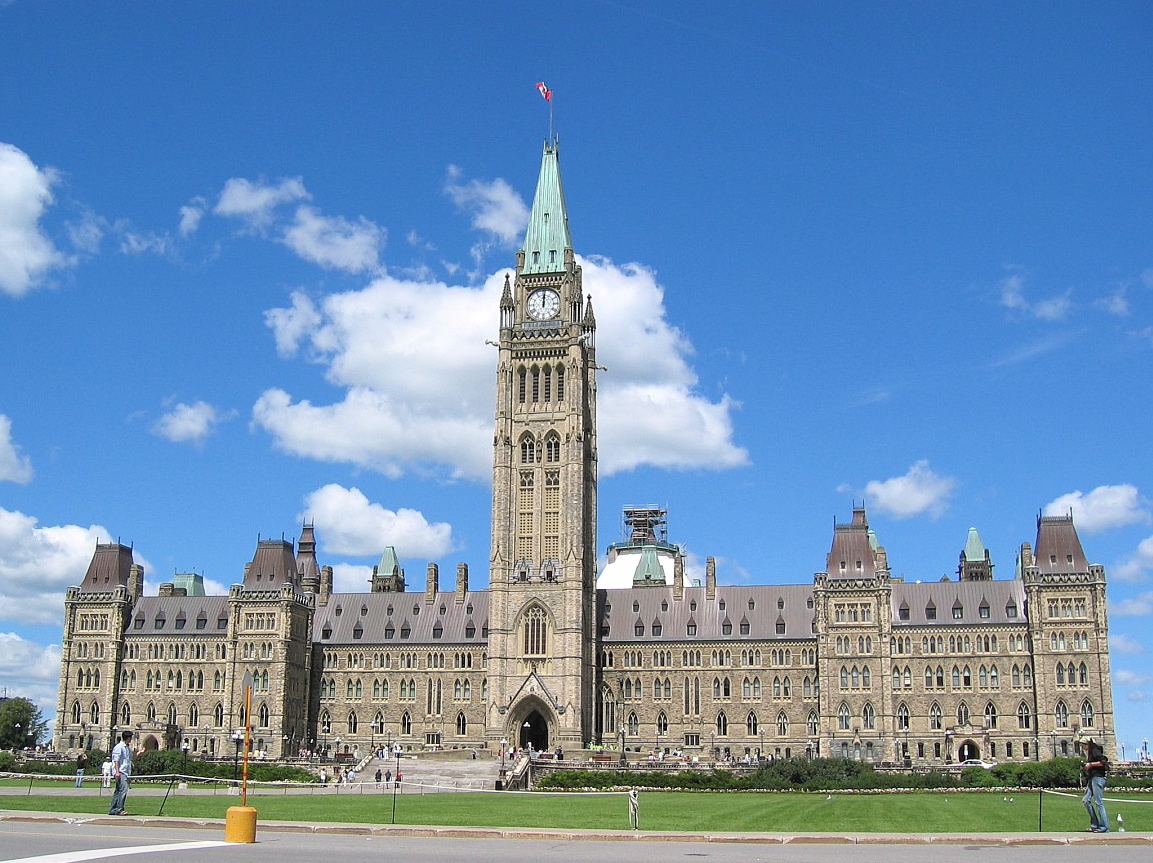
For years the seat of government had rotated between Kingston, Montreal, Toronto and Quebec City, because none was acceptable to all. The colonial legislature asked the queen to decide. Ottawa, then small and remote, was a compromise: it lay between Canada West and Canada East, and it was considered easier to defend against an American attack than cities on the St Lawrence. The Parliament buildings were built in the 1860s, and Ottawa became the capital of the new Dominion of Canada in 1867.
The Province of Canada had been formed in 1841 by uniting largely English-speaking Upper Canada and French-speaking Lower Canada. Choosing its capital was bitterly divisive. After rioters burned the Parliament building in Montreal in 1849, the government moved between Toronto and Quebec City every few years, an expensive arrangement.
In 1857 the legislature referred the question to the queen. Her advisers relied on reports from Canada, including a memorandum from the governor general, Sir Edmund Walker Head, recommending Ottawa. The town, known until 1855 as Bytown, sat on the Ottawa River at the northern end of the Rideau Canal, a military waterway built after the War of 1812. The queen's choice was conveyed in a letter taking effect on December 31, 1857.
Many politicians mocked the decision, and one American newspaper is said to have joked that invaders would get lost in the woods trying to find the place. The legislature initially rejected it, but the choice stood. The Parliament buildings, on a bluff above the river, were completed in 1866, a year before Confederation.
Key people: Queen Victoria, Edmund Walker Head