Before dawn, Columbus led the Niña, Pinta, and Santa María out of the small Andalusian port of Palos de la Frontera. Backed by the Spanish crown after years of rejection elsewhere, his voyage aimed to reach the Indies by sailing west. Instead, the expedition reached the Bahamas in October, triggering centuries of European colonization of the Americas.

Christopher Marlowe, the era's most celebrated playwright before Shakespeare's rise, was killed in a house in Deptford in a confrontation officially recorded as a fight over payment of a bill. He had recently been questioned by the Privy Council over accusations of atheism and sedition, and his sudden death at twenty-nine has fueled centuries of speculation about political assassination.

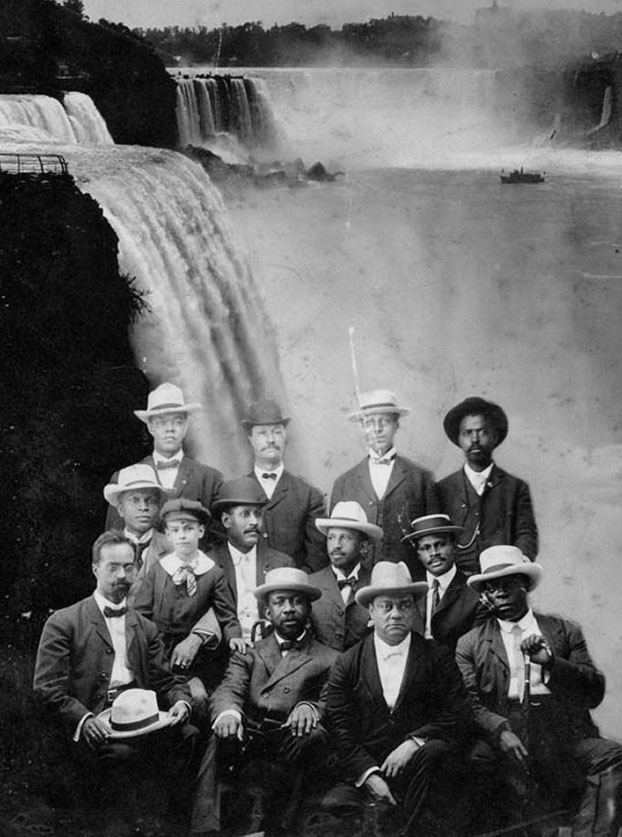
Meeting on the Canadian side of Niagara Falls after being denied hotel rooms in New York, W.E.B. Du Bois and roughly thirty Black professionals launched the Niagara Movement, rejecting Booker T. Washington's gradualist approach to racial progress. The group demanded immediate voting rights, an end to segregation, and equal educational opportunity, laying philosophical groundwork later absorbed into the NAACP, founded in 1909.
Composer Gustav Holst heard his seven-movement orchestral suite The Planets performed in full for the first time at a private concert arranged by conductor Adrian Boult at Queen's Hall in London. Written during the First World War and inspired by astrology rather than astronomy, the suite became one of the most enduringly popular works of 20th-century English orchestral music.
The USS Nautilus, commissioned in 1954 as the first nuclear-powered submarine, passed beneath the North Pole submerged under the polar ice cap, a feat impossible for conventional diesel-electric submarines that needed to surface frequently. The Cold War-era achievement demonstrated the strategic reach nuclear propulsion gave the U.S. Navy and offered a propaganda victory following the Soviet Sputnik launches.

Negotiators representing the United States and Panama concluded talks on treaties that would transfer control of the Panama Canal to Panama by the end of the century, resolving a source of nationalist grievance dating to the canal's construction. Signed formally by President Carter and General Omar Torrijos weeks later, the agreements provoked fierce debate in the U.S. Senate before narrow ratification.

Apple Computer began shipping its Apple II model to retailers, bringing a fully assembled, consumer-ready personal computer with color graphics to a mass market for the first time. Designed primarily by Steve Wozniak and marketed by Steve Jobs, the machine became a commercial breakthrough and helped launch the home-computing industry alongside contemporaries like the Commodore PET and Tandy TRS-80.

Barely a year after helping install Laurent Kabila in power, former allies Rwanda and Uganda backed a rebellion against him, opening a conflict that would eventually draw in nine African nations. Often called "Africa's World War," the fighting and its associated humanitarian crisis killed an estimated five million people through violence, disease, and displacement by the time it wound down.
