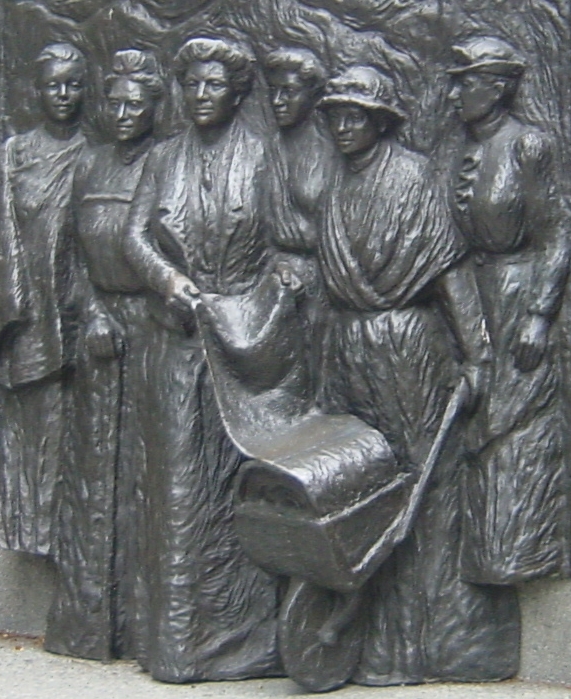
The campaign, led by Kate Sheppard and the Women's Christian Temperance Union, had gathered some 32,000 signatures on a petition presented to Parliament in 1893, the largest ever submitted there. The Electoral Act, signed by the governor, Lord Glasgow, on September 19, gave women aged 21 and over, including Māori women, the right to vote. With only weeks to register, about 109,000 women did so, and roughly 90,000 cast ballots. Women could not stand for Parliament until 1919.
Opponents, including many in the liquor trade who feared women would vote for prohibition, had fought suffrage for years. Premier Richard Seddon opposed it too, and in the Legislative Council he tried to persuade a member to change his vote to defeat the bill. The manoeuvre backfired, as two other councillors switched sides in protest, and the bill passed by 20 votes to 18. Seddon then urged the governor to withhold assent, but Lord Glasgow signed it on September 19, 1893.
The election was held on November 28 for the European electorates; Māori seats voted on December 20. Sheppard's campaigners had only weeks to enrol women. Critics had predicted disorder, but newspapers reported calm, orderly polling, with some women arriving in their best clothes. The turnout among enrolled women was higher than among men.
Australia's colony of South Australia gave women the vote in 1894 and the right to stand for parliament. In New Zealand, Elizabeth McCombs became the first woman elected to Parliament in 1933. Sheppard's portrait appears on the New Zealand ten-dollar note.
Key people: Kate Sheppard, Richard Seddon, Lord Glasgow