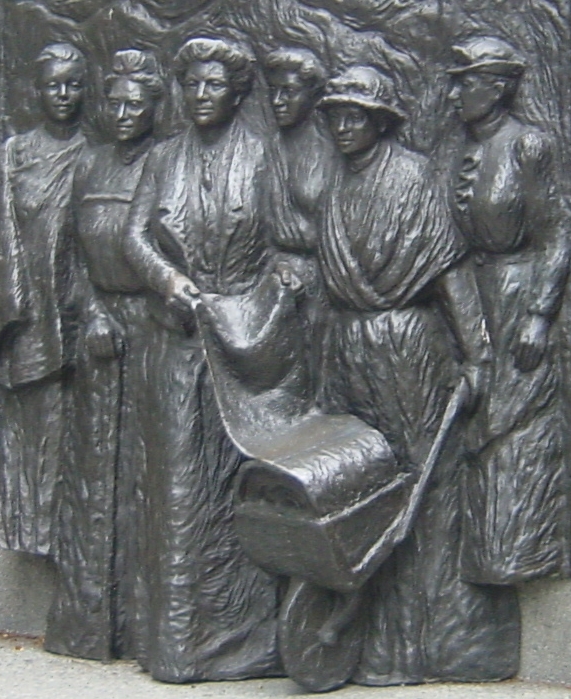
The law followed years of campaigning led by Kate Sheppard of the Women's Christian Temperance Union. Suffragists sent a series of petitions to Parliament: more than 9,000 signatures in 1891, almost 20,000 in 1892 and nearly 32,000 in 1893, close to a quarter of New Zealand's adult European women. After the bill passed, liquor-industry lobbyists and eighteen legislative councillors urged Lord Glasgow to withhold his consent. On September 19, 1893, he signed it.
Bills to give women the vote had narrowly failed in 1878, 1879 and 1887, and opponents in the conservative Legislative Council had tried to kill a later version with a wrecking amendment. The liquor trade feared that women voters would bring in prohibition. In the end the Upper House passed the bill, and the new governor's assent turned it into law.
The act enfranchised all women aged 21 and over, Māori as well as Pākehā. Just ten weeks later, on November 28, 1893, women voted in a general election for the first time. Voting in the Māori electorates followed on December 20.
Women could vote but could not stand for Parliament until 1919, and the first woman was not elected until Elizabeth McCombs won a by-election in 1933. Kate Sheppard became the first president of the National Council of Women of New Zealand in 1896 and today appears on the country's ten-dollar note.
Key people: Kate Sheppard, Lord Glasgow